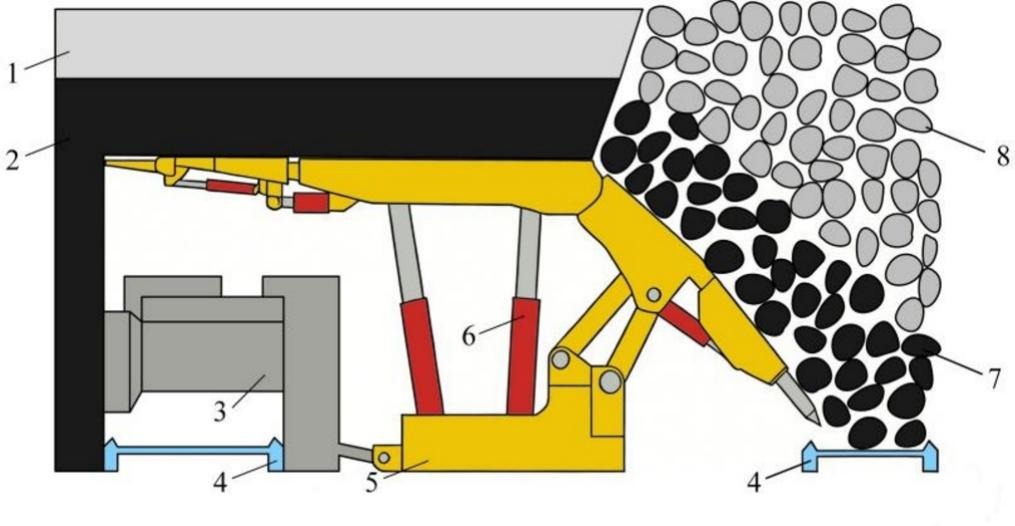
A study of how changing working conditions affect acoustic coal–gangue recognition. It examines frequency-domain characteristics of tail-beam impact signals and the feature drift associated with varying operational parameters.
ResearchGate: October 2026 · Journal issue: January 2027.
Zhihua Wang, Haotian Zhai, Tianrui Jia, Zihan Wang, Haojie Zhang, Kun Qian, Chen Xu, Zipeng Zhang, Wei Xue, Wen Qi, Bin Hu
Pattern Recognition, 180, 114388 (2026)
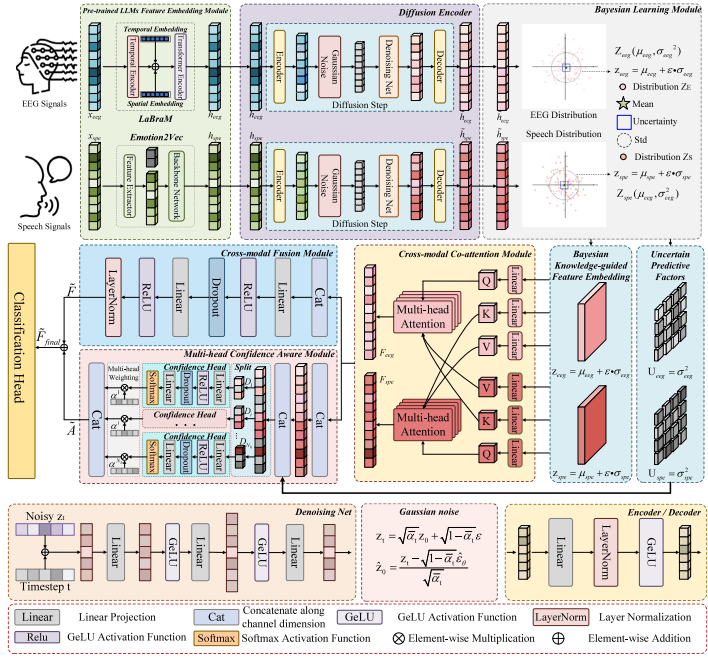
BKCad brings EEG and speech into a shared representation using pre-trained embeddings and a diffusion encoder. Bayesian uncertainty estimates and cross-modal attention guide confidence-aware fusion for depression detection.
Haifeng Qiu, Zipeng Zhang, Bo Zhang, Shanguo Yang, Ningguang Yao, Houguang Liu
International Journal of Coal Preparation and Utilization, 1-26 (2026)
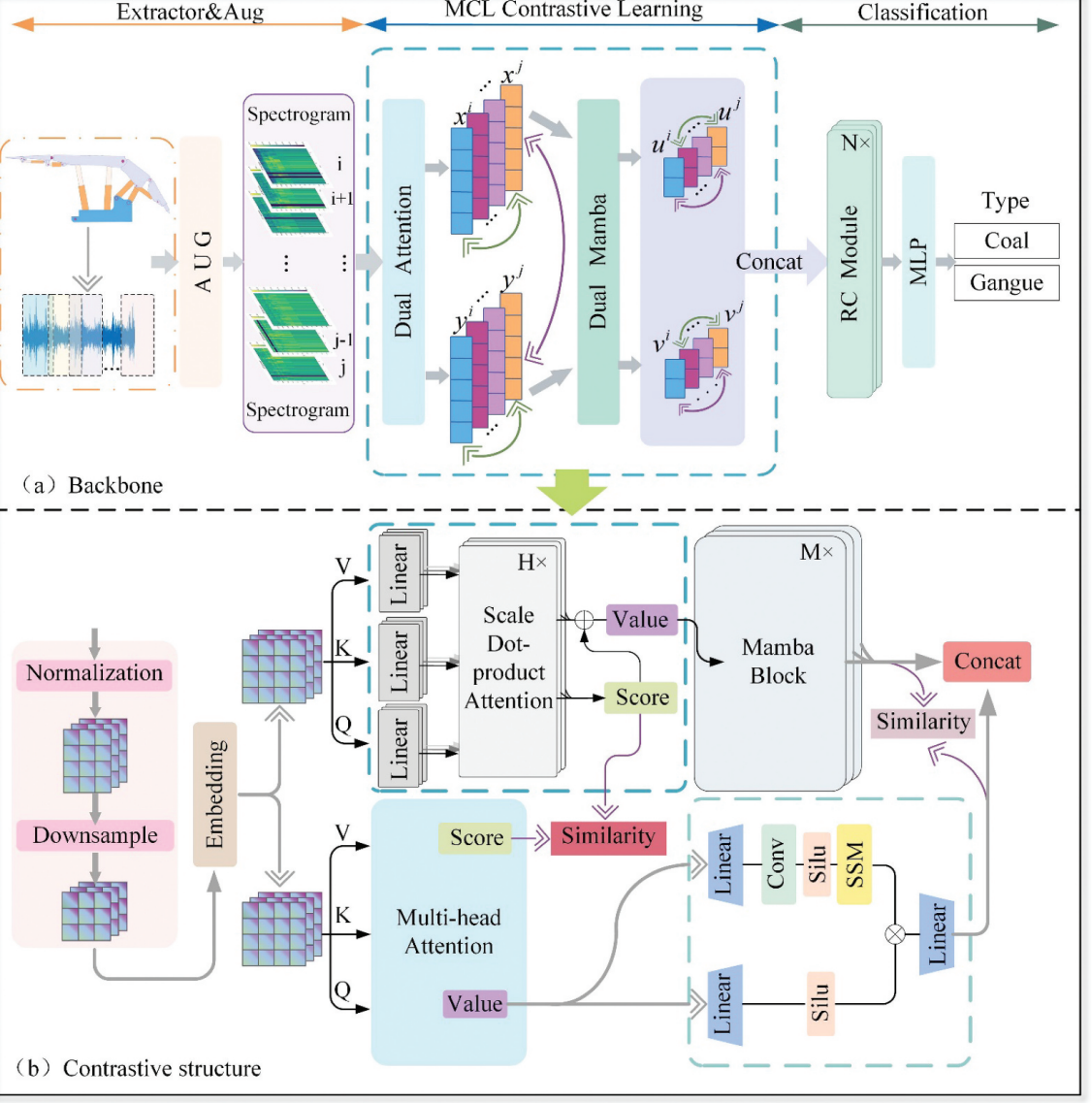
MCL combines dual attention, dual Mamba modules and contrastive learning to distinguish coal from gangue in vibration signals. The framework learns class-specific similarities and differences before fusing representations for classification.
Hongkai Dong, Yuxuan Zhang, Bo Zhang, Zipeng Zhang, Yuying Shao, Guogang Yuan, Houguang Liu
Expert Systems with Applications, 304, 130827 (2026)
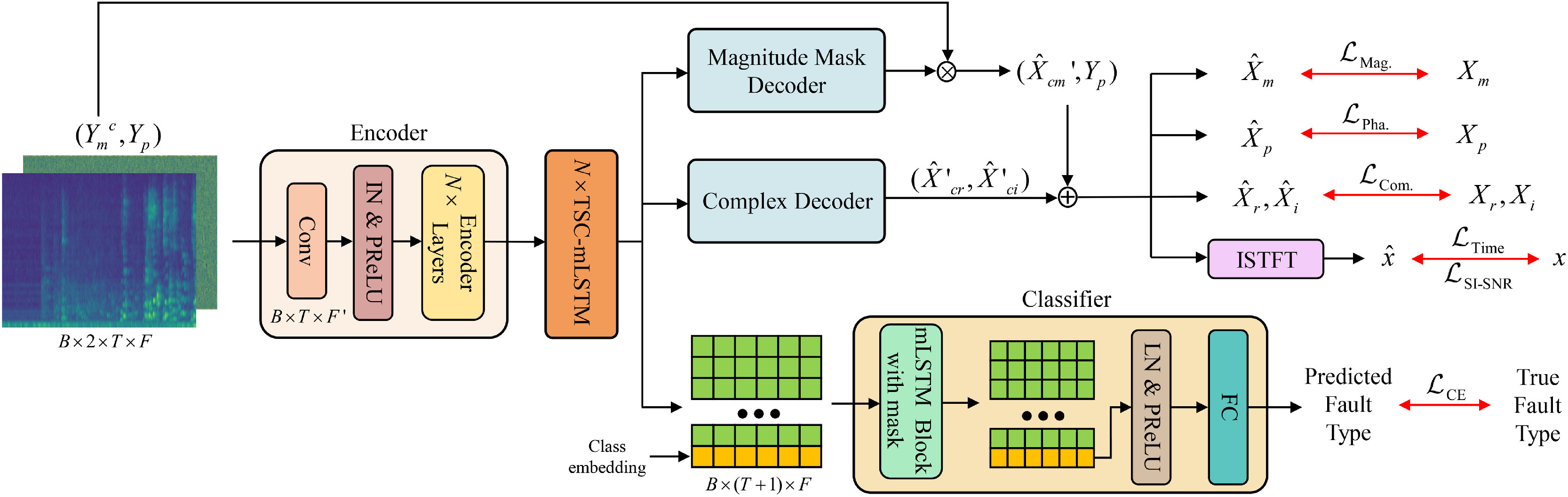
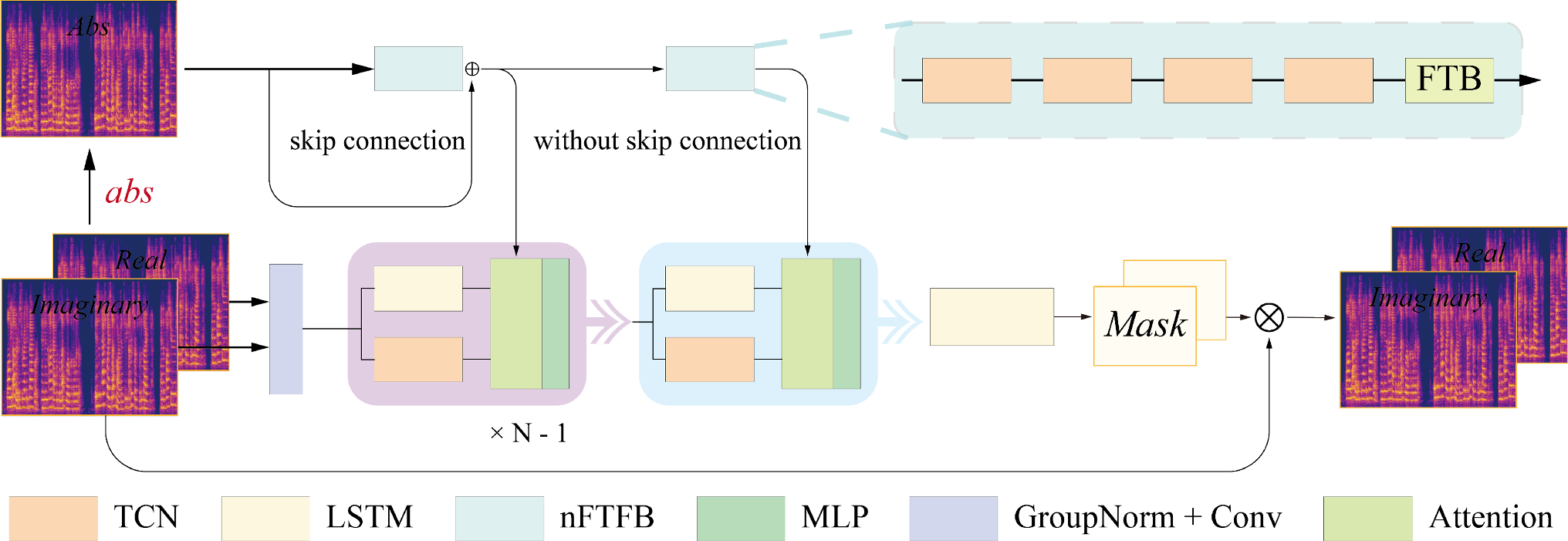
A shared xLSTM-based encoder learns to denoise acoustic signals and detect gas-insulated switchgear faults together. Time–frequency modeling and two spectrogram decoders address diagnosis under strong background noise.
International Journal of Coal Preparation and Utilization, 1-25 (2025)
AfricaNet predicts concentrate ash content from coal flotation images. Lighting-based augmentation, wavelet attention and a CRATE-based feature-selection strategy are combined with contrastive learning to model multi-frequency image information.
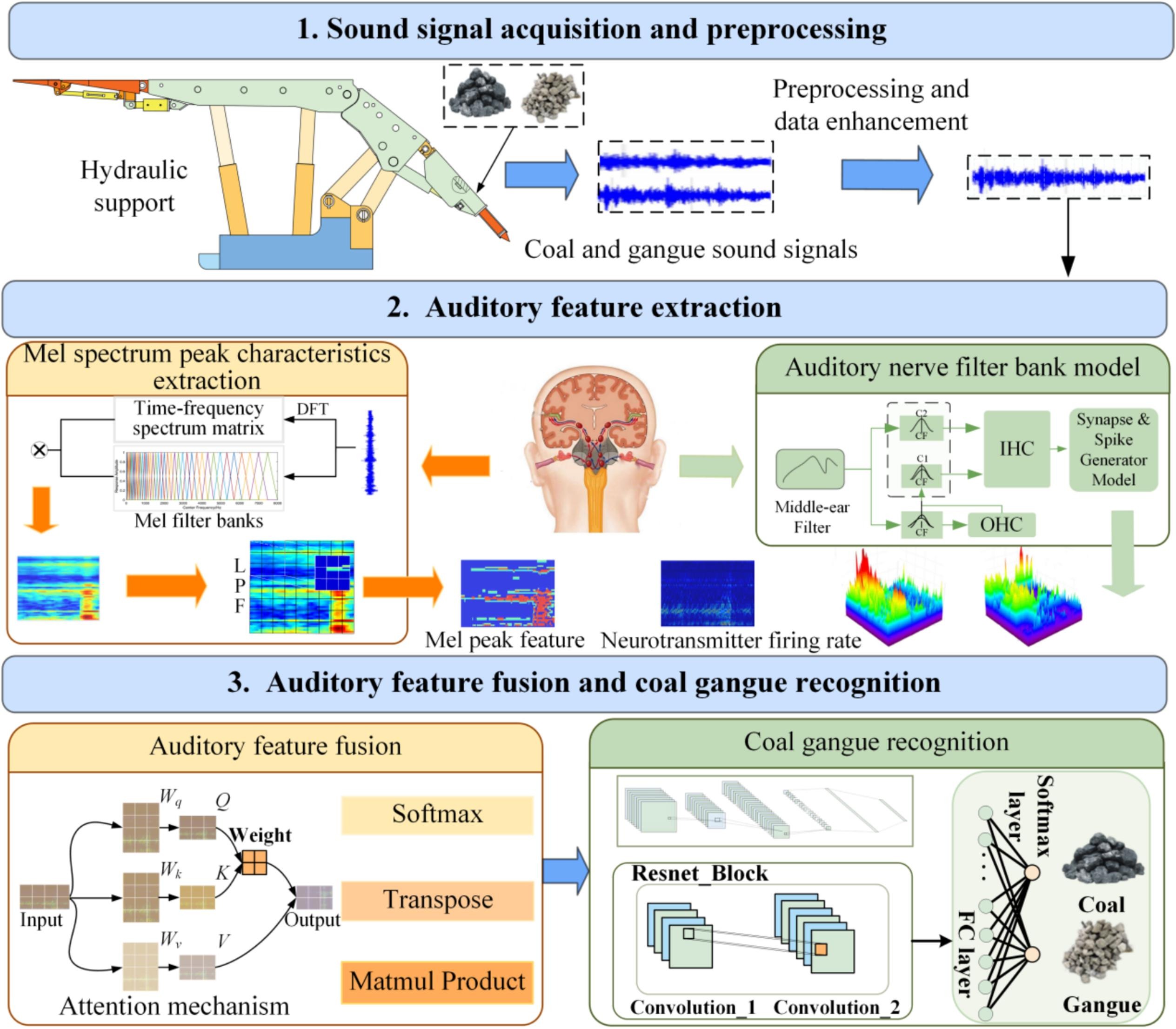
Two levels of auditory features are fused with attention to identify caving coal and gangue from sound. The method focuses on retaining useful acoustic information in strong mining background noise.
Yeduo Sheng, Bo Zhang, Zipeng Zhang, Yuying Shao, Guogang Yuan, Jianshu Liu, Houguang Liu
Nondestructive Testing and Evaluation, 41, 4541-4563 (2025)
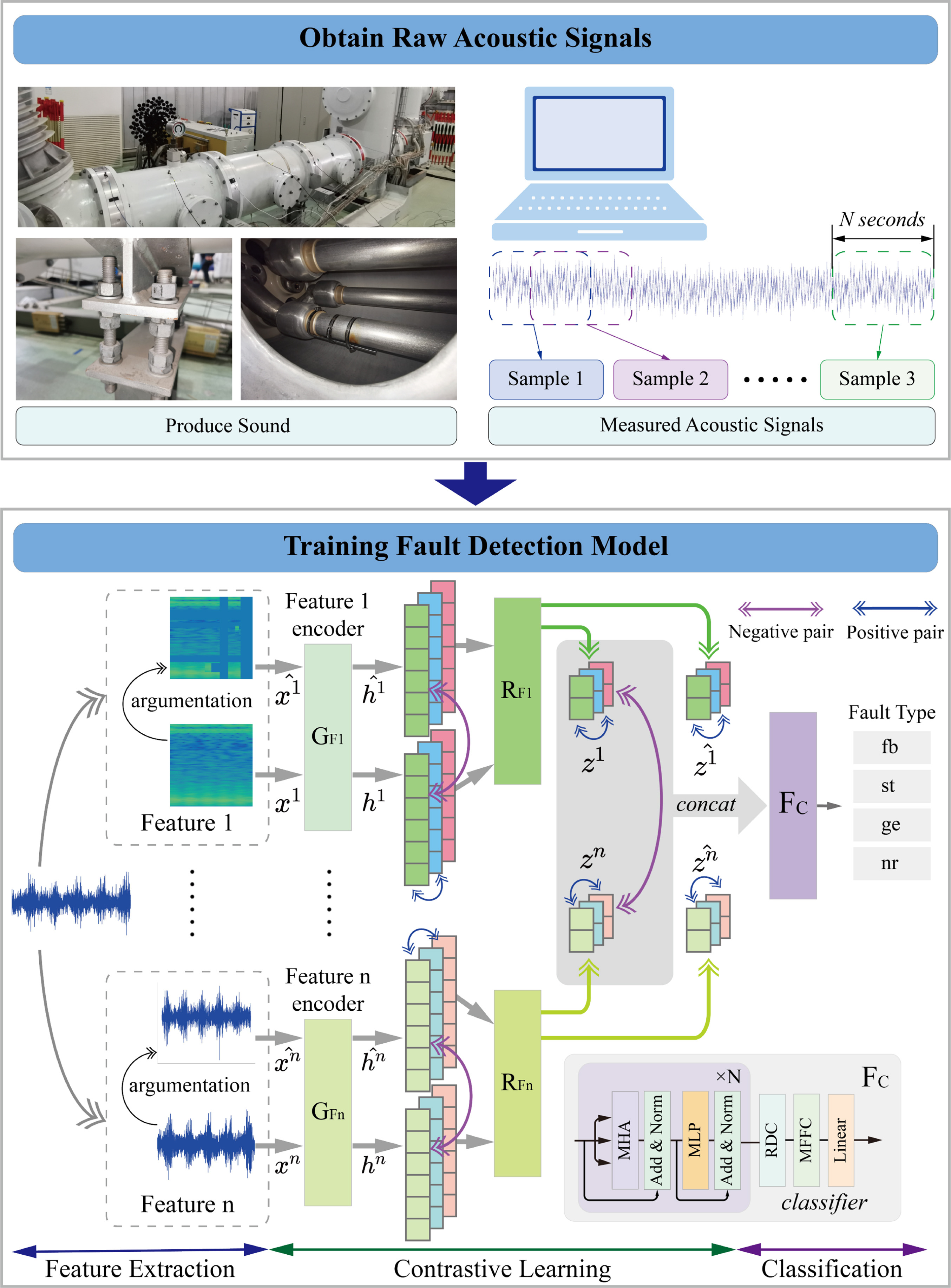
Self-supervised contrastive pre-training learns consistent time–frequency representations of switchgear acoustics. A small labeled target set then adapts the model for fault diagnosis across operating conditions.
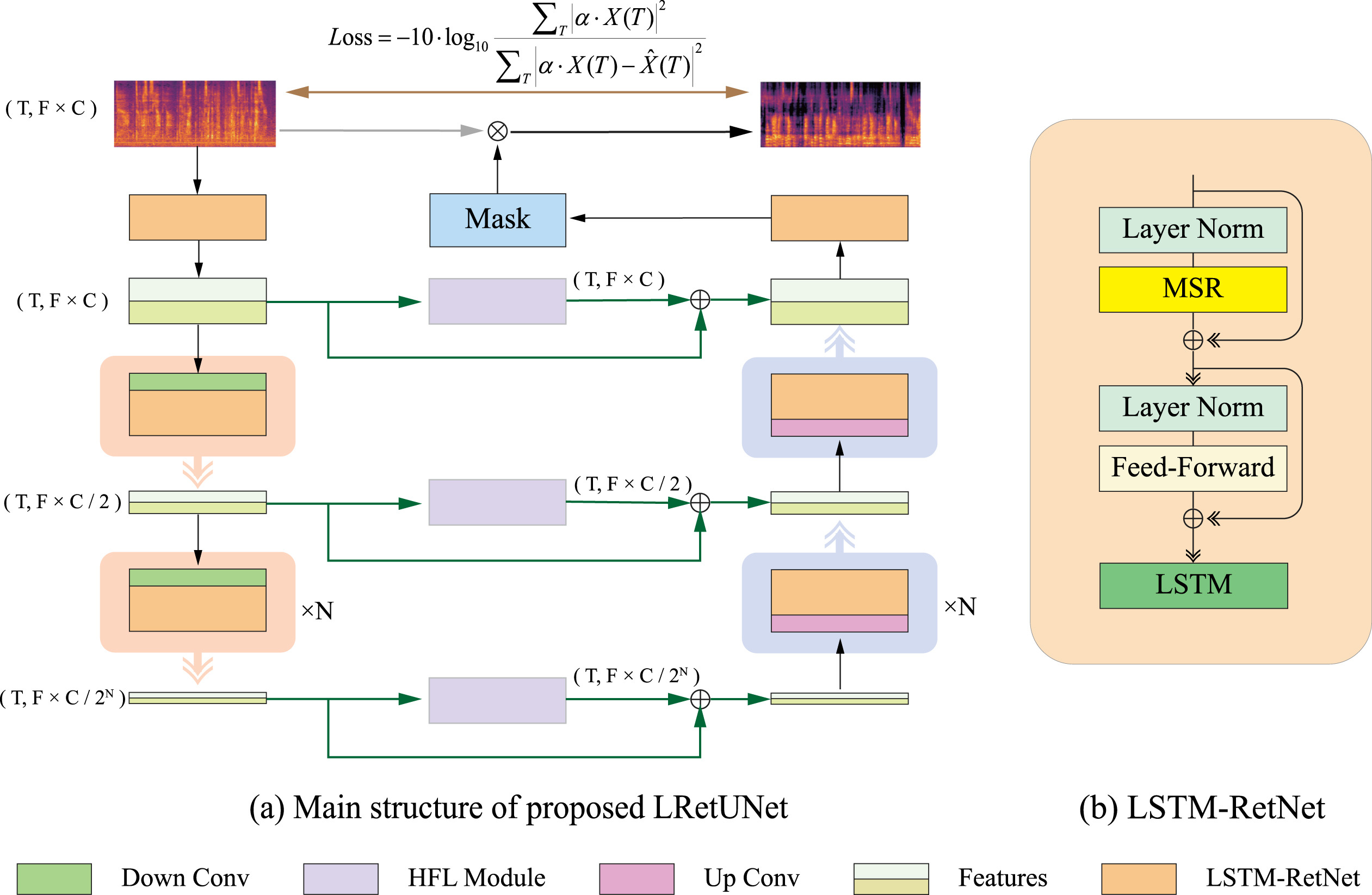
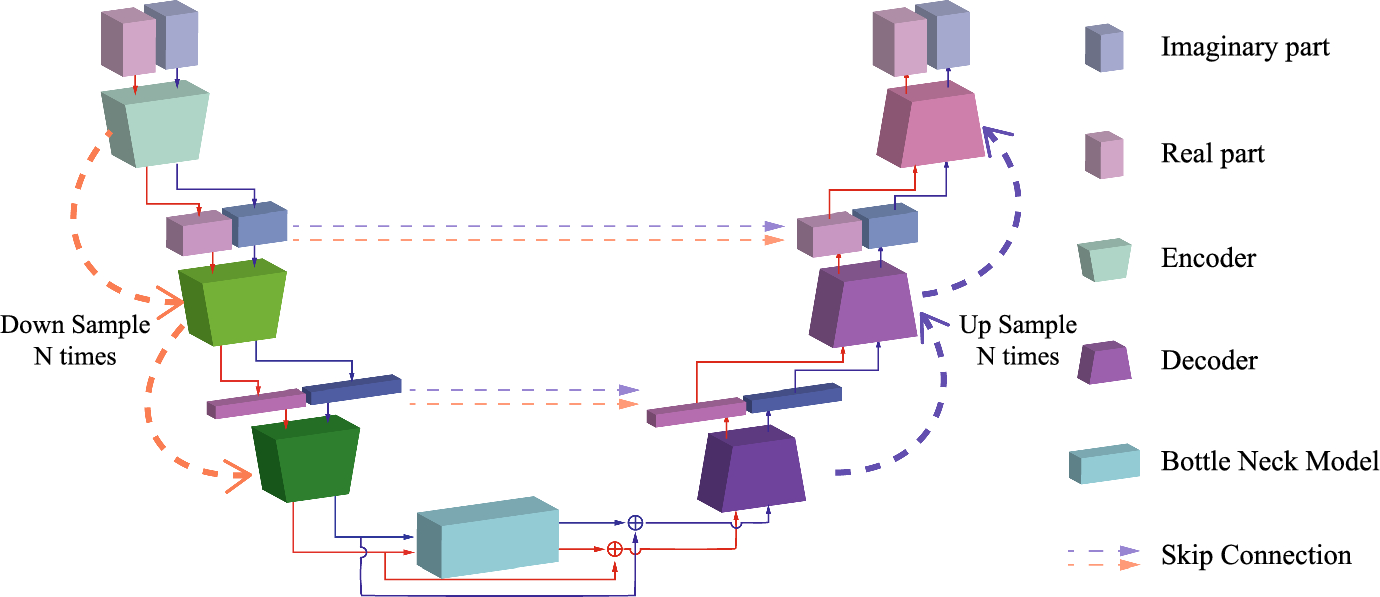
LRetUNet combines a U-Net with a retentive mechanism and an FFT-based high-frequency filter. It explores lightweight single-channel speech enhancement while preserving information important to speech clarity.
Frequency features from tail-beam impact and vibration signals are converted into graphs. A graph convolutional network uses relationships between these features to distinguish coal and gangue during top-coal caving.
Zipeng Zhang, Zhencai Zhu, Bin Meng, Zheng Yang, Mingke Wu, Xinyu Cheng, Binhong Li, Houguang Liu
Expert Systems with Applications, 274, 126880 (2025)
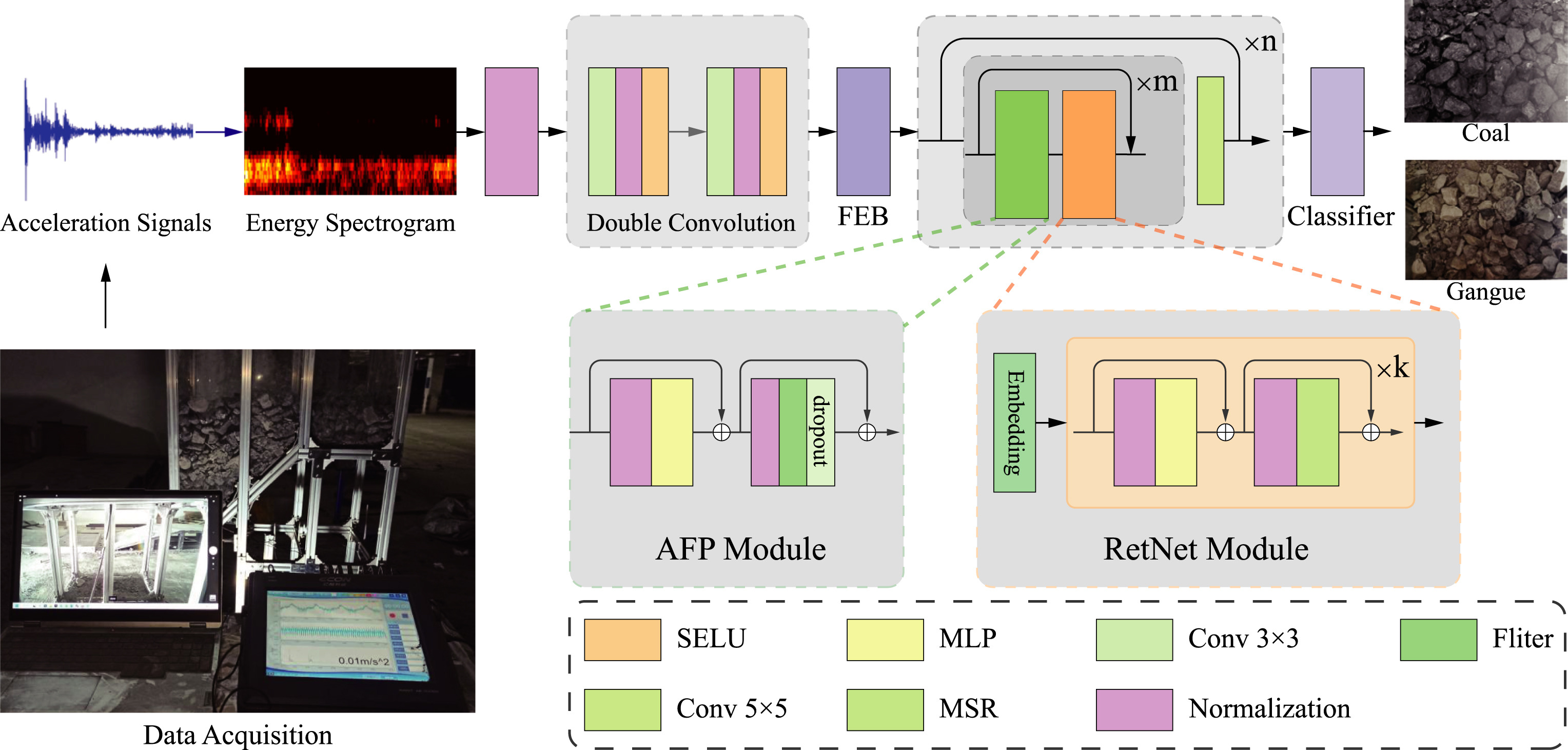
Feature-enhancement blocks and amplitude–frequency perception modules capture impact patterns in coal–gangue vibration signals. A retention mechanism supports a compact model for rapid identification.
The International Journal of Advanced Manufacturing Technology, 137, 5081-5109 (2025)
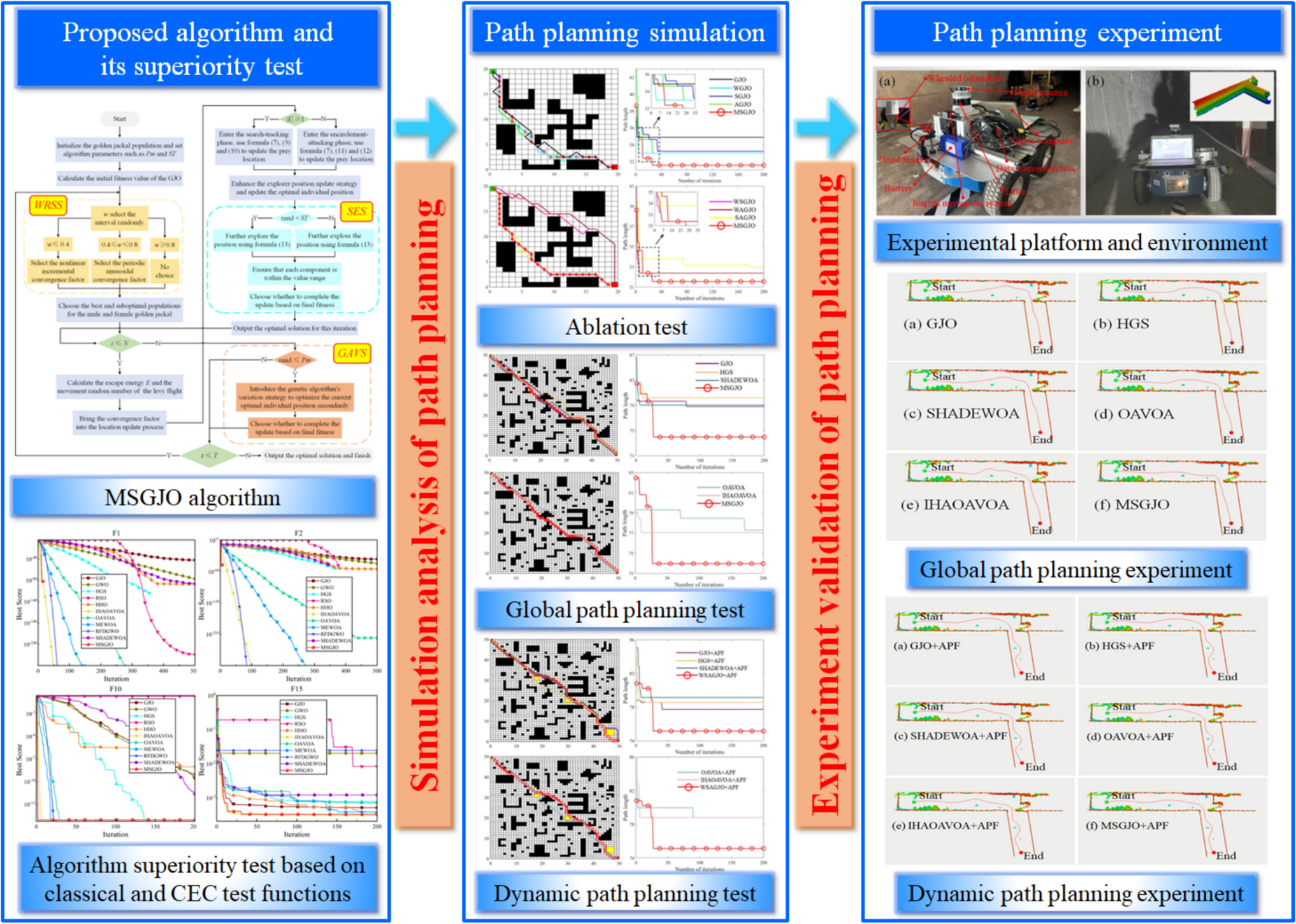
MSGJO extends golden jackal optimization with adaptive convergence, an enhanced search strategy and genetic mutation. The algorithm is applied to mobile-robot path planning with static and dynamic obstacles.
Zhihua Wang, Zipeng Zhang, Zhuoyue Wang, Jiaming Lu, Weiguang An
Process Safety and Environmental Protection, 189, 1217-1225 (2024)
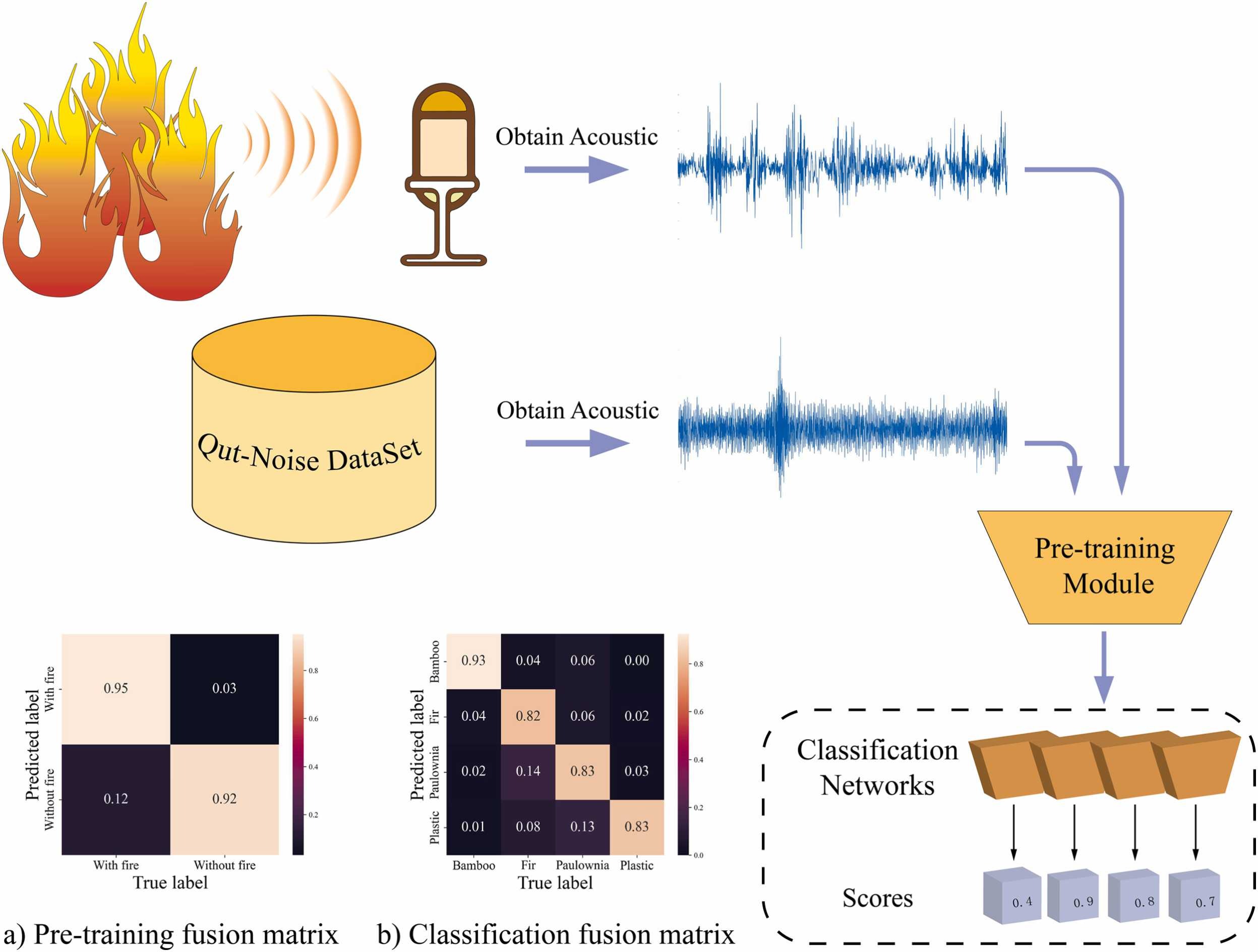
A two-stage acoustic framework first detects fire, then identifies burning materials. A Transformer-based detector guides a parallel Circuits-LSTM-Conformer model for combustible classification.
Engineering Applications of Artificial Intelligence, 135, 108835 (2024)
CFENet uses frequency-sensitive contrastive learning to diagnose switchgear faults from acoustic signals. Feature and embedding encoders learn representations that account for changing operating voltages.
The Journal of the Acoustical Society of America, 156, 989-1003 (2024)
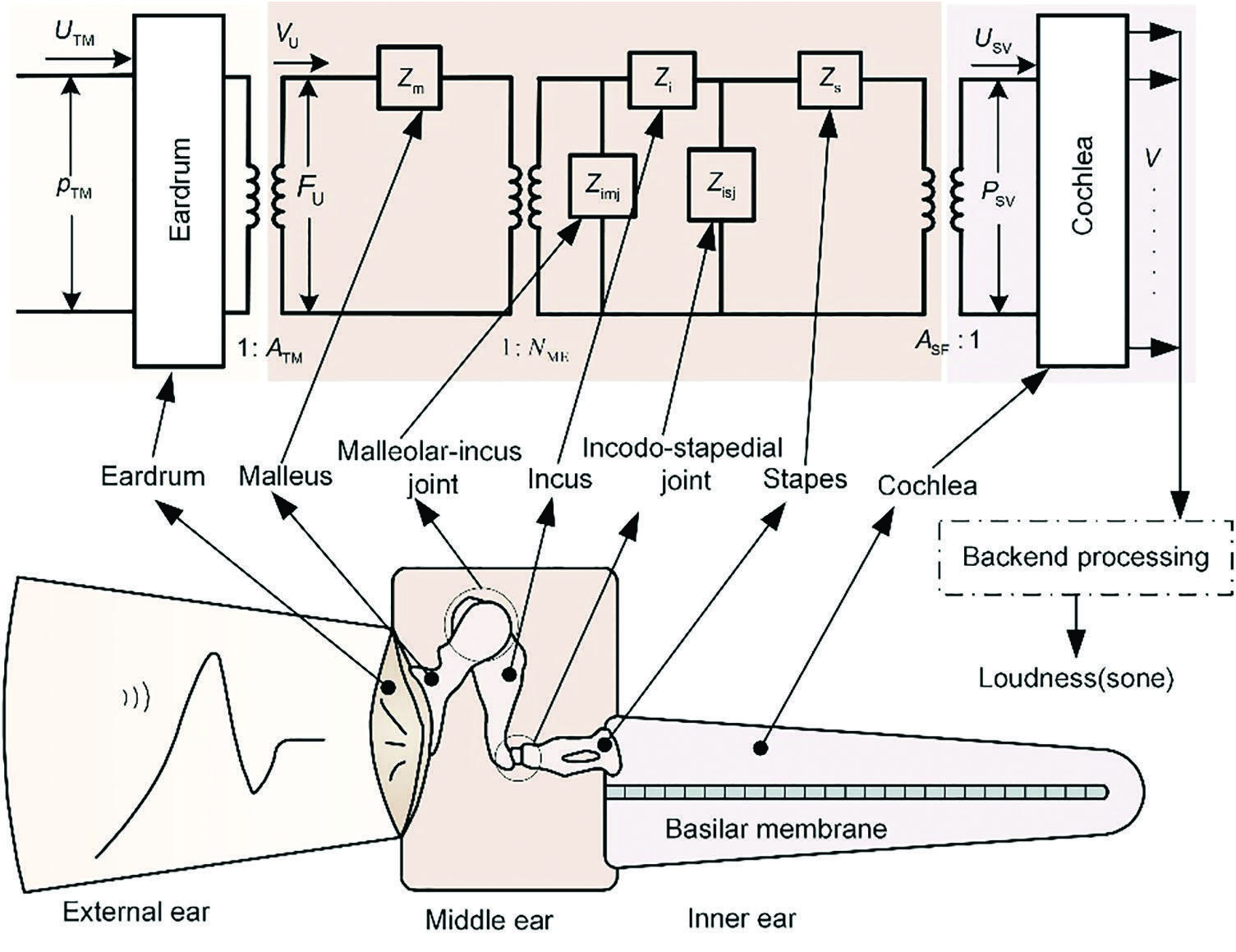
A physiological model of the human ear predicts loudness, sharpness and roughness from vehicle noise. These features feed a TabNet model that estimates subjective sound-quality annoyance.
Signal, Image and Video Processing, 18, 6937-6948 (2024)
Cross-attention fuses complementary representations for single-channel speech enhancement. A multi-stage strength-estimation network combines FFT-based and sequential features to model both frequency and temporal structure.
Circuits, Systems, and Signal Processing, 43, 5989-6010 (2024)
CST-UNet introduces Cross-Swin-Transformer blocks and a masked bottleneck into a U-Net. Concise hidden representations and skip connections balance speech-enhancement detail with computational cost.
Electric Power Systems Research, 230, 110226 (2024)
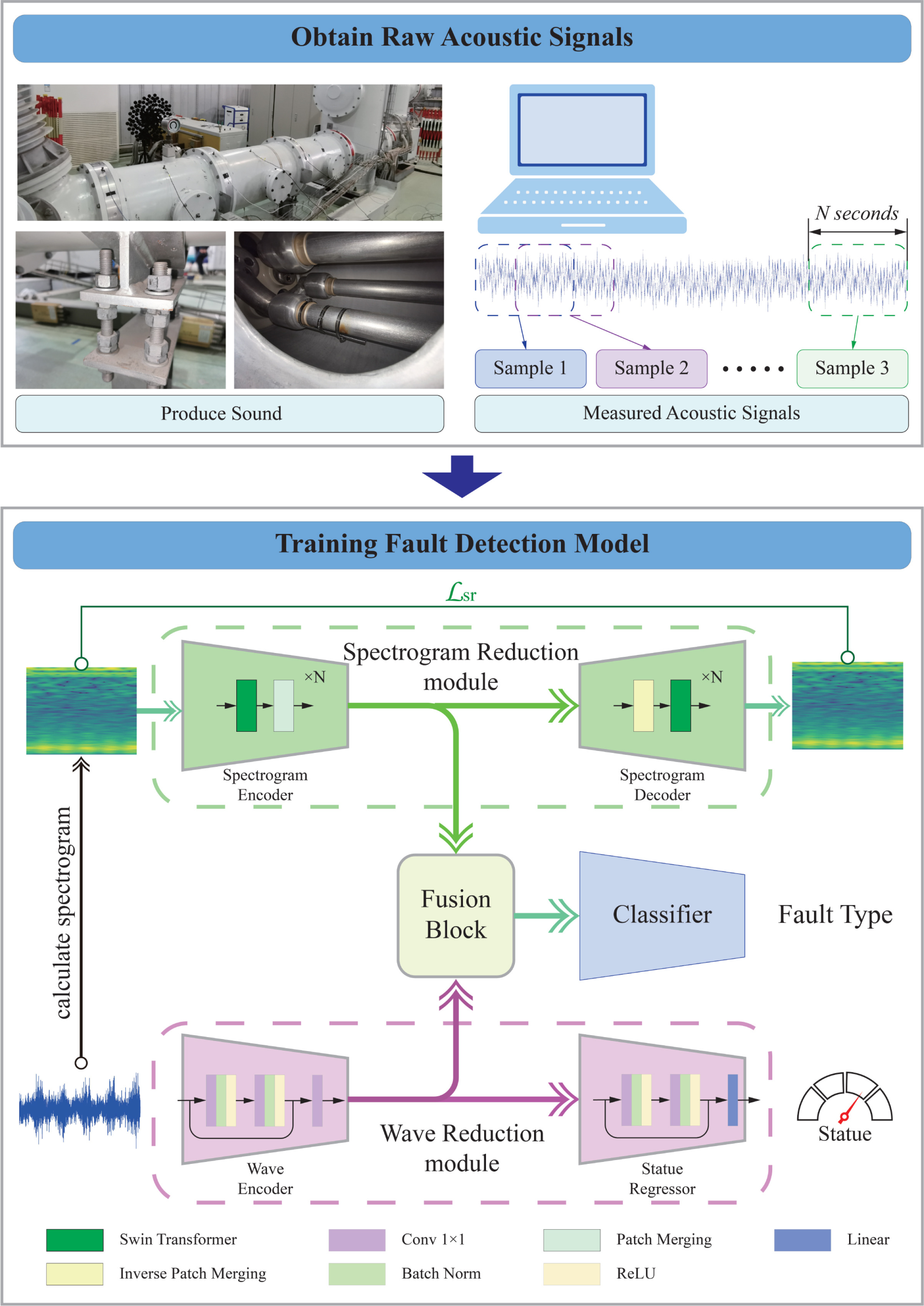
Waveform and spectrogram branches extract complementary acoustic features from gas-insulated switchgear. A fusion module combines voltage-related information and auto-encoded spectrogram features for mechanical fault detection.
Zhihua Wang, Zipeng Zhang, Yuying Shao, Kun Qian, Houguang Liu, Bin Hu, Björn W Schuller
Measurement Science and Technology, 35, 076121 (2024)
A frequency regressor and an audio-spectrogram Transformer auto-encoder are pre-trained on switchgear acoustics. Their features are combined in a multi-stage training framework for mechanical fault detection under varying voltages.
Maiqiang Zhou, Zhiping Wen, Ge Xu, Zipeng Zhang, Changchun Zhou
International Journal of Coal Preparation and Utilization, 45, 523-547 (2024)
TabNet estimates coal ash content from elemental measurements obtained by X-ray fluorescence. SHAP analysis examines feature contributions and guides the selection of elemental inputs.
A human-ear physiological model estimates auditory loudness from vehicle interior noise. A neural network combines this estimate with other psychoacoustic parameters to predict subjective sound-quality judgments.
Baiyi Wang, Zipeng Zhang, Patrick Siarry, Xinhua Liu, Grzegorz Królczyk, Dezheng Hua, Frantisek Brumercik, Z. Li
Expert Systems with Applications, 236, 121413 (2024)
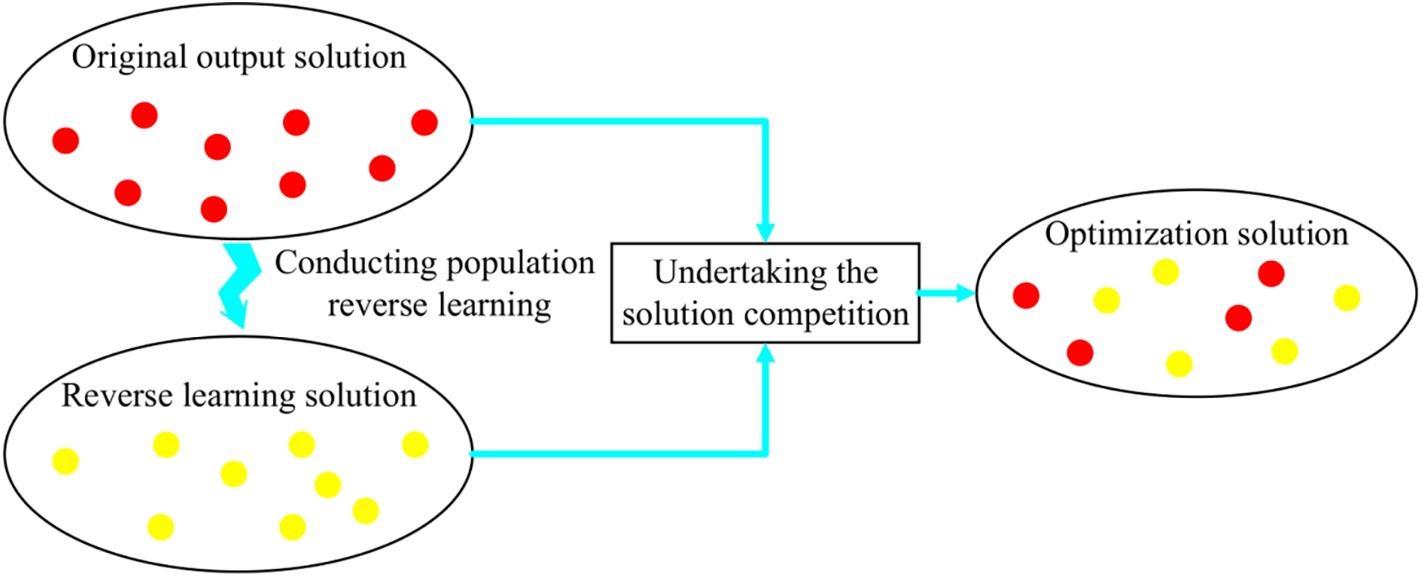
HWEAVOA combines Henon chaotic initialization, elite populations, adaptive inertia and reverse-learning competition. These strategies seek to balance exploration and exploitation in multimodal numerical optimization.
Bibliographic metadata is linked to DOI records. Years follow Crossref bibliographic records. ResearchGate dates can differ from journal issue dates; differences are noted where relevant.

 PAPER FIGUREEXPAND ↗